LeanPPD
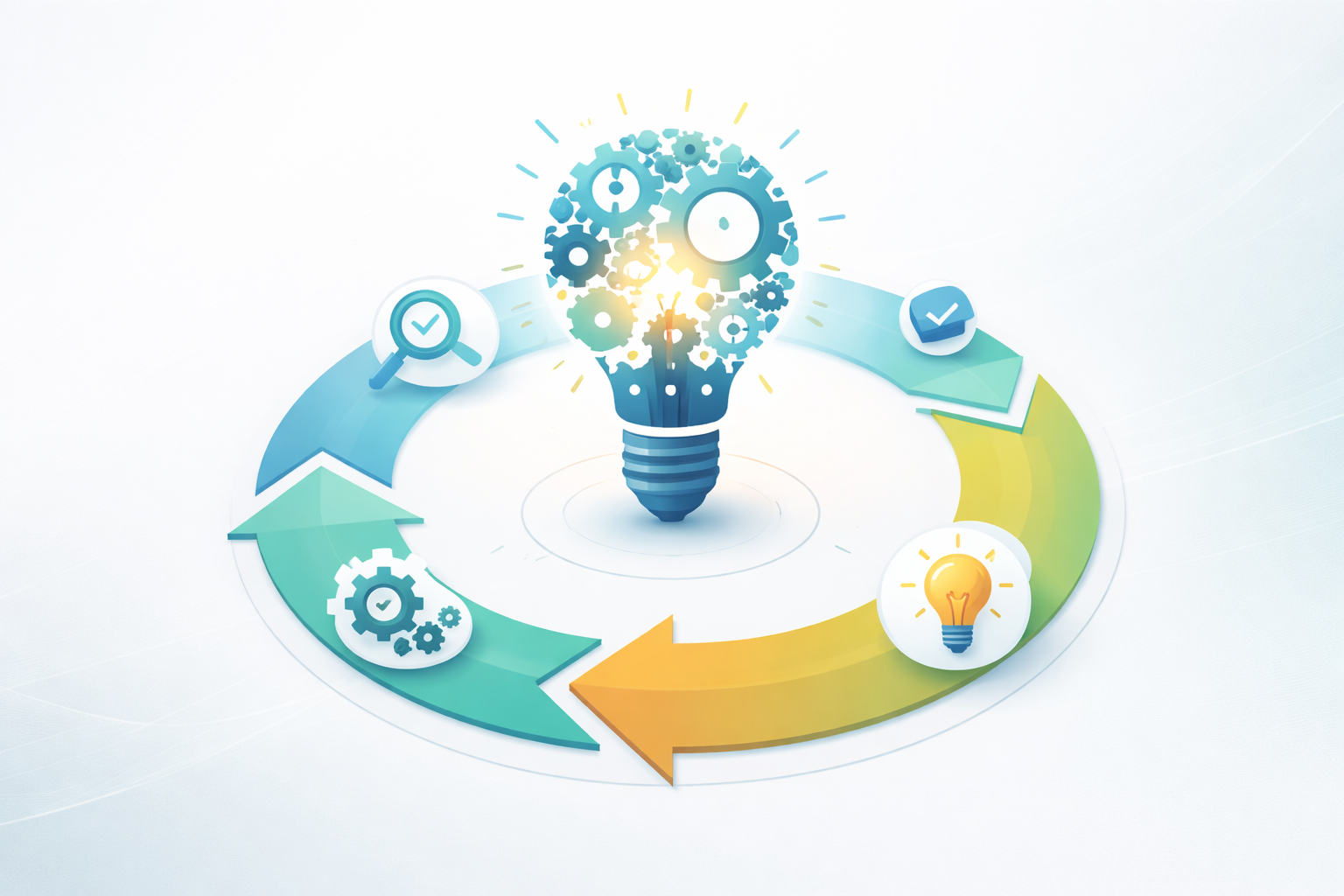
Lean Product and Process Development is the application of lean thinking in product design and development. It focuses on value creation, provision of knowledge environment, continuous improvement and SBCE process that encourage innovation. LeanPPD provides process model and its associate tools that consider entire product life cycle.
SBCE
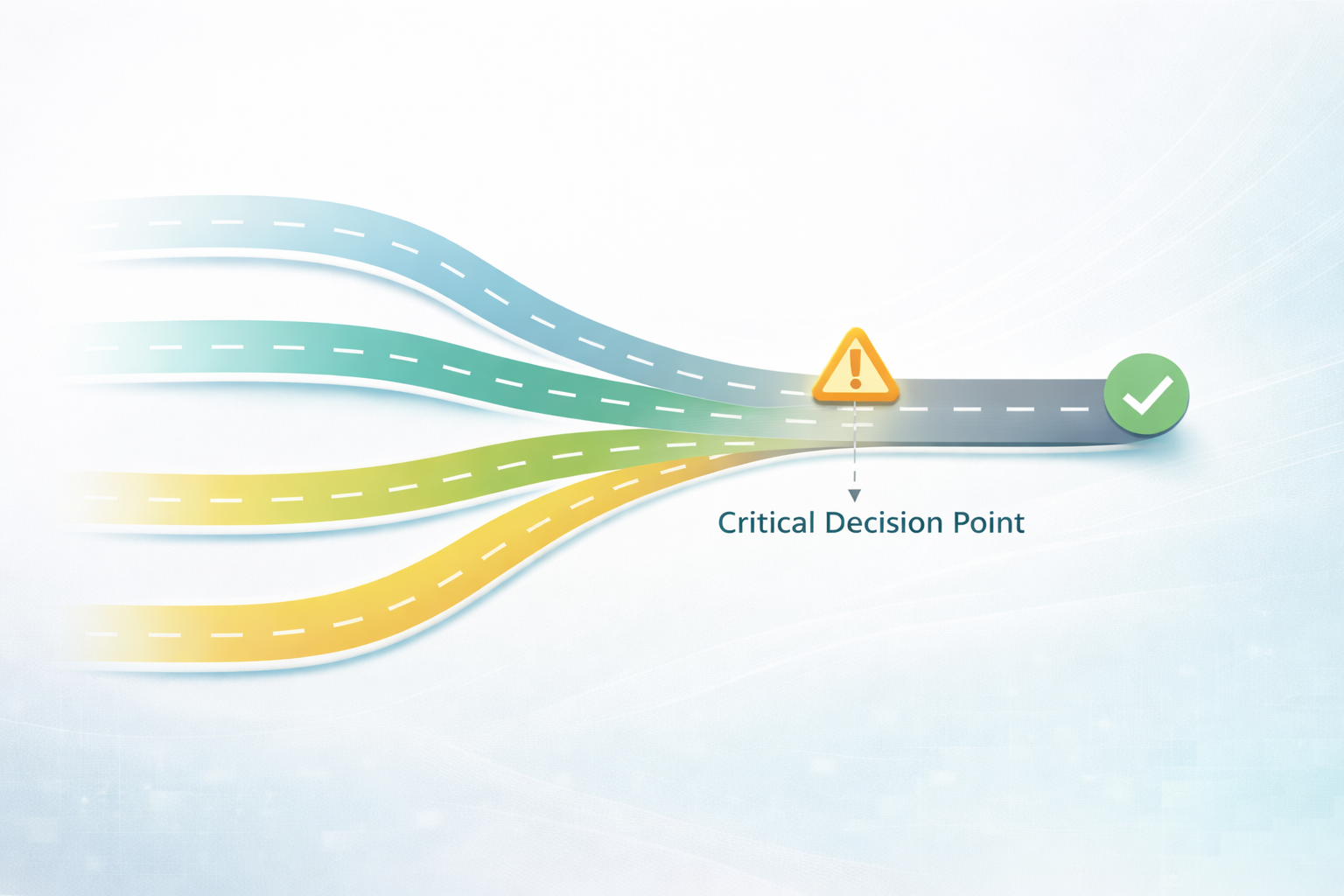
Design participants practise Set-Based Concurrent Engineering by reasoning, developing and communicating about sets of solutions in parallel. As the design progresses, they gradually narrow their respective sets of solutions based on the knowledge gained. As they narrow, they commit to staying within the sets so that others can rely on their communication”. Critical design decisions are deliberately delayed until the last possible moment to ensure that customer expectations are fully understood and that the reached design meets the requirements of different functions (design, manufacturing, etc.).
Industry 4.0
Industry 4.0 is the next industrial revolution which involves the integration of the physical world and the digital world.
Digital Transformation
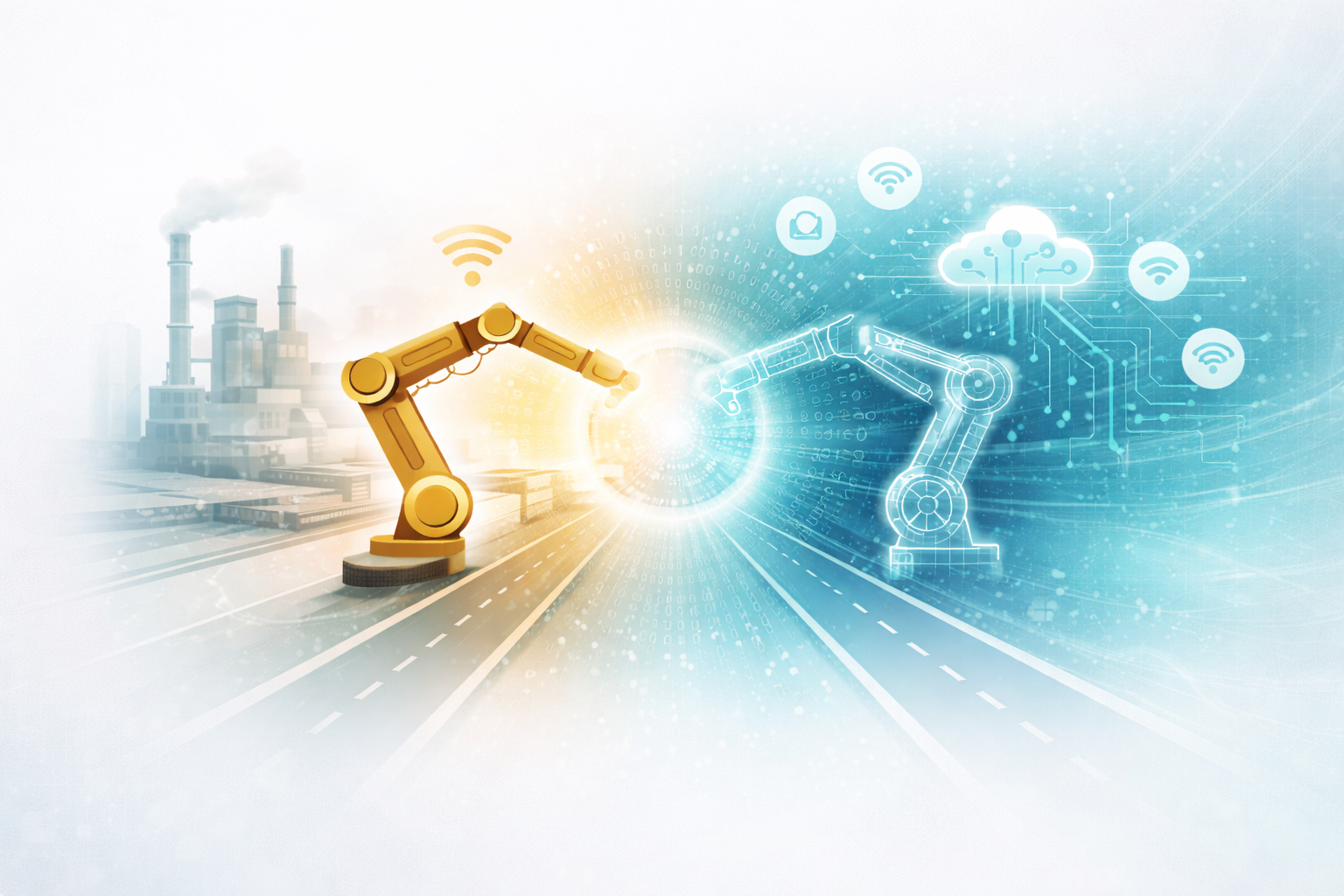
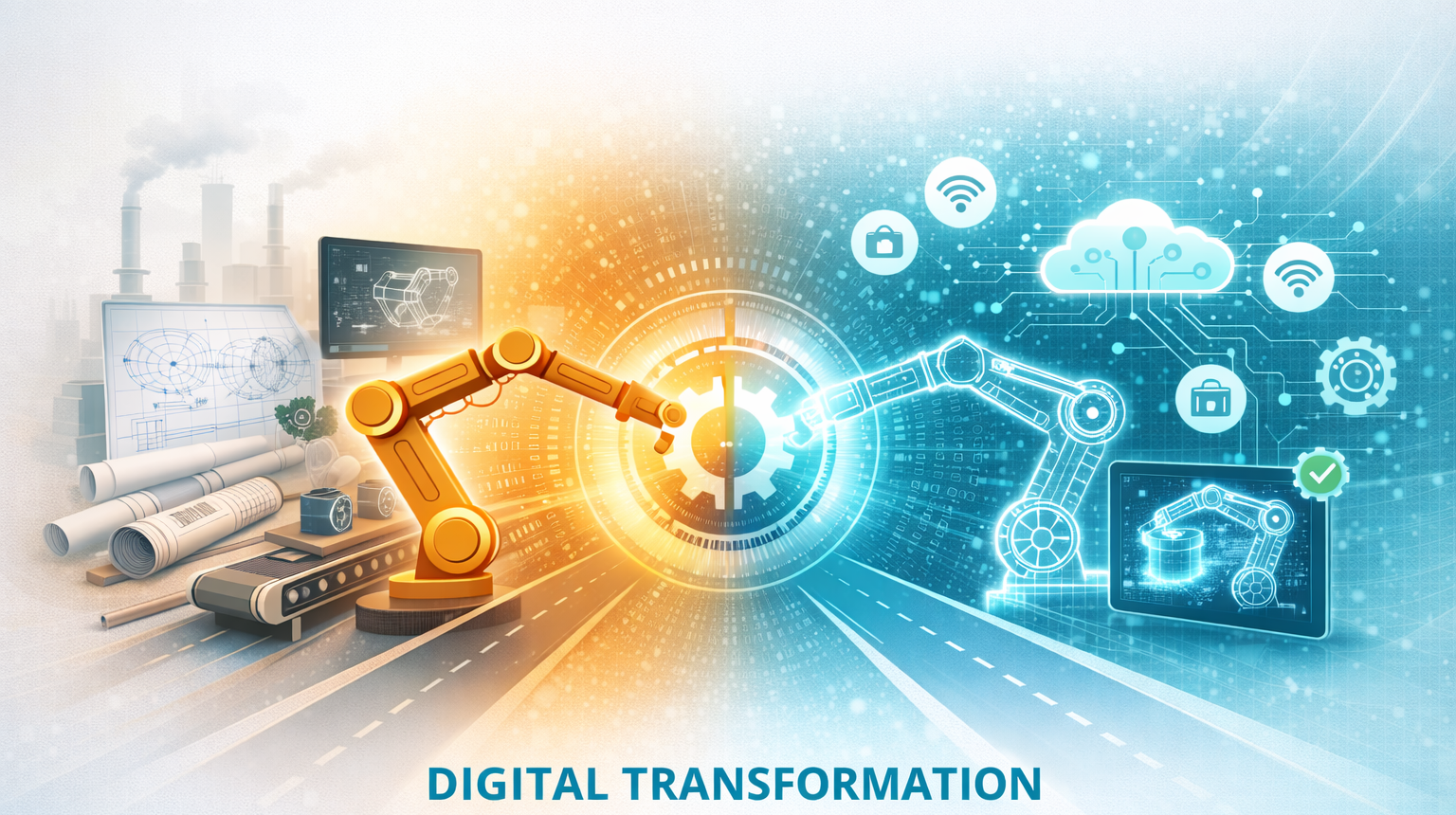
Digital Transformation in manufacturing industry is the transformation of conventional design and manufacturing processes to smart processes by implementing and integrating various enabling technologies of Industry 4.0.
Artificial Intelligence
AI is a technology that enables computers and machines to simulate human learning, comprehension, problem solving, decision making, creativity, and autonomy. AI could perform tasks including learning from data, reasoning, problem-solving, perception, language understanding, and decision-making. AI systems use algorithms and models often based on machine learning and statistical methods to analyse information, identify patterns, and make predictions or recommendations with minimal human intervention.

Machine Learning
Machine learning is the subset of artificial intelligence (AI) focused on algorithms that can “learn” the patterns of training data and, subsequently, make accurate inferences about new data. This pattern recognition ability enables machine learning models to make decisions or predictions without being explicitly programmed for every possible scenario. In machine learning, systems identify patterns, relationships, and structures within data, then use those insights to make predictions, classifications, or decisions when presented with new data.
Internet of Things
IoT describes physical objects that are embedded with sensors, processing ability, software, and other technologies that connect and exchange data with other devices and systems over the Internet or other communication networks without requiring direct human intervention. These devices can monitor conditions, perform automated actions, and interact with other systems to improve efficiency, accuracy, and decision-making. The IoT encompasses electronics, communication, and computer science engineering.
Circular Economy
The circular economy is an economic system that is waste-free and resilient by design, mimicking natural ecosystems in the way we organize our society and businesses, by tackling global challenges like climate changes, biodiversity loss, waste, and pollution.
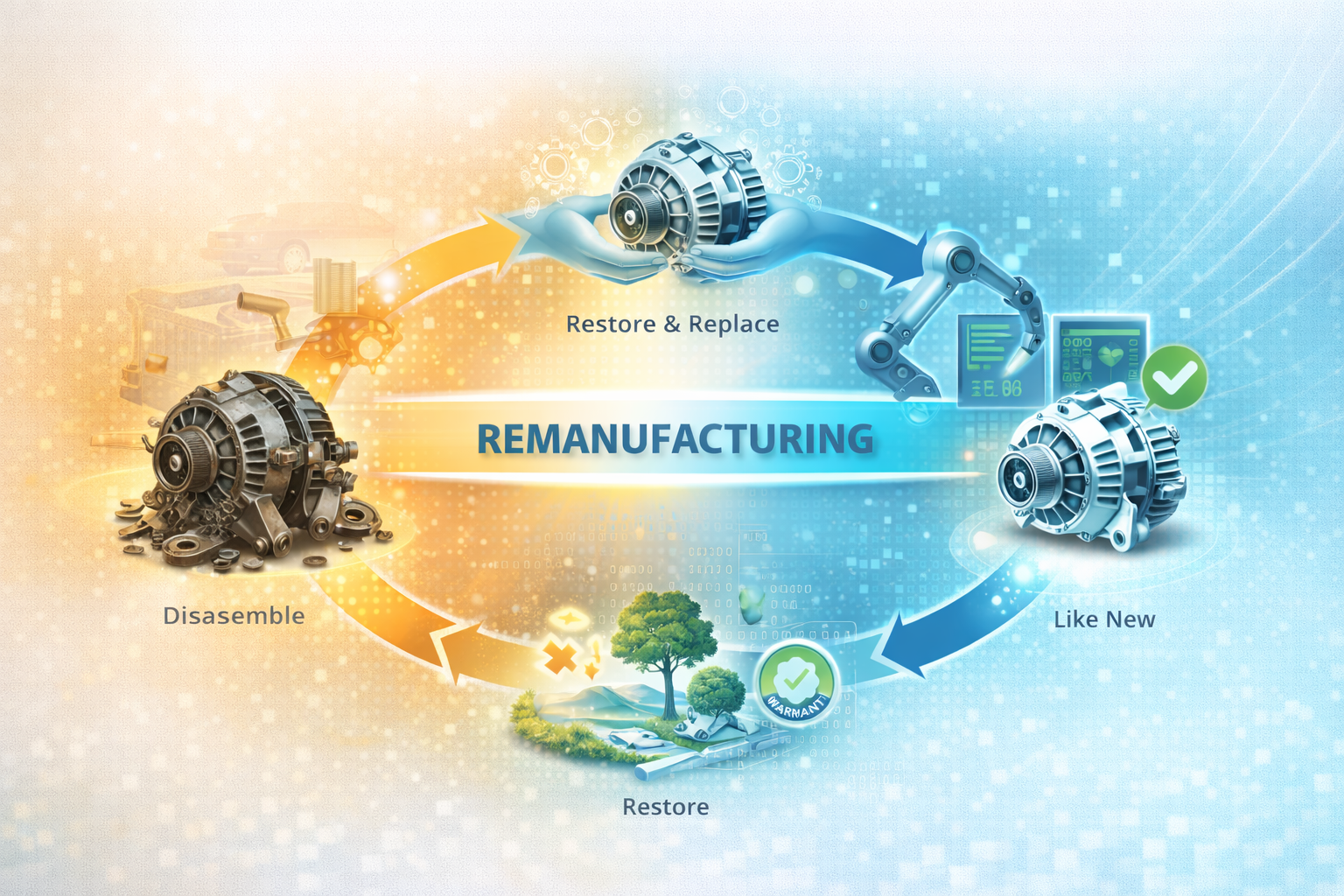
Remanufacturing
Remanufacturing is the process of returning a used product to at least its original performance with a warranty that is equivalent to or better than that of the newly manufactured product. From a customer viewpoint, the remanufactured product can be considered the same as a new product. It involves dismantling the product, restoring and replacing components and testing the individual parts and whole product to ensure that it is within its origin of design specifications. Performance after remanufacturing is expected to be at least to the original performance specifications.